African civil society organisations have urged developed countries to turn climate pledges into measurable action and deliver climate finance without increasing the debt burden of vulnerable nations. They have called for clear commitments on reducing fossil fuel dependence, stronger accountability and accessible financial support for communities facing the impacts of climate change.
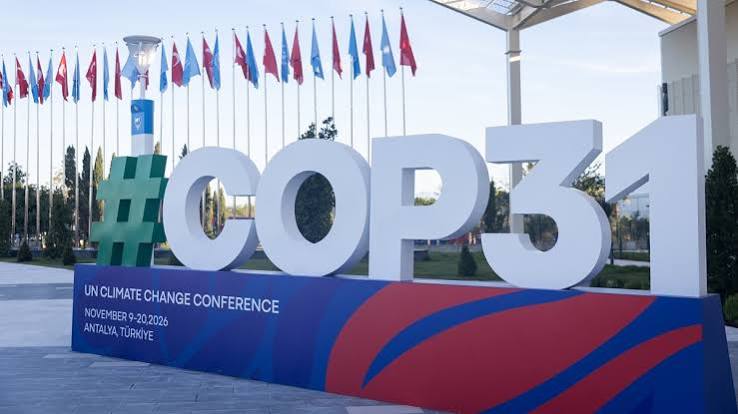
The call was made on Wednesday, 18 November, in Antalya, Türkiye, during the final days of COP31. The organisations, brought together under the Pan African Climate Justice Alliance (PACJA), said the negotiations had exposed a widening gap between climate commitments and actual delivery.
In a statement titled “From Promises to Proof: Our Call in Antalya,” the groups stressed that the climate crisis was no longer a crisis of ambition but a crisis of implementation.
Augustine Njamnshi, Chair of the Political and Technical Affairs Committee of the PACJA Board, presented the statement at a press conference assessing the progress of the negotiations.
At the time, COP31 remained deadlocked over key issues, including climate finance, fossil fuels and a just transition. According to the COP31 Presidency, 21 issues remained unresolved ahead of the scheduled closing date.
Call for Fossil Fuel Accountability
The African civil society groups called on developed countries and major emitters to provide clear details on how much they would reduce their dependence on fossil fuels, by when, and how progress would be measured.
They expressed concern over continued public financing of fossil fuels, the expansion of oil and gas production, and subsidies that they said were inconsistent with climate commitments.
The groups also emphasised that countries with the greatest historical responsibility for emissions and the strongest capacity to respond should carry greater accountability for climate action.
Climate Finance, Not More Discussion
The organisations described climate finance as a central test of trust in the international climate negotiations. They rejected the idea that climate finance should be treated as charity, stating that it is an obligation rooted in responsibility, equity and commitments under the UN climate convention and the Paris Agreement.
They criticised proposals that prioritise discussion forums and non-binding outcomes over concrete financial commitments.
The groups also warned that relying on loans to address climate-related losses and damage could further increase the financial pressures facing African countries.
They called for adequate, accessible and predictable climate finance that does not deepen the debt burden of vulnerable nations.
Protecting Vulnerable Communities
The statement highlighted the growing impacts of climate change across Africa, including droughts, floods, food insecurity and displacement. The organisations noted that African communities contribute relatively little to global greenhouse gas emissions but are experiencing severe climate impacts.
They also called for policies that expand access to electricity, promote green industries, create decent jobs and strengthen community resilience.
“Africa does not seek permission to develop. We seek a fair opportunity to develop differently,” the statement said.
As COP31 negotiations approached their scheduled conclusion on Friday, 20 November, PACJA urged governments to prioritise decisions that directly improve the lives of climate-affected communities.
The organisations stressed that the success of COP31 should not be measured by speeches, declarations or political promises, but by whether vulnerable communities receive meaningful climate action, adequate finance and accountability.