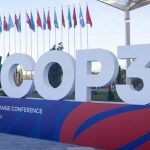
The second draft of the COP31 cover decision, circulated on 19 November, has triggered criticism from climate campaigners and civil society representatives over weakened commitments on fossil fuel transition, climate finance and loss and damage.
Compared with the earlier 16 November draft, the revised text reportedly removes explicit references to a fossil fuel phase-out roadmap, the proposed $120 billion adaptation finance target, debt-related safeguards and stronger accountability for developed countries.
Campaigners warn that these changes could undermine climate justice and leave vulnerable developing countries, including Bangladesh, with inadequate support to address growing climate impacts.
Harjeet Singh, Global Convenor of the Fill the Fund campaign, described the revisions as a serious setback, arguing that countries facing the worst climate impacts urgently need stronger commitments on adaptation finance, fossil fuels and loss and damage.
Concerns have also been raised over the limited resources available to the Fund for Responding to Loss and Damage. Campaigners highlight that funding requests have reached approximately $2.8 billion, while allocations stand at around $342 million.
They further argue that weakening references to Articles 9.1 and 2.1(c) of the Paris Agreement could undermine clarity around developed countries’ climate finance responsibilities and the need to align financial flows with climate goals.
Lidy Nacpil criticised the proposed governance options for a mechanism under negotiation, urging countries to continue discussions rather than accept an ineffective agreement. She stressed that, at this stage, “no agreement is better than a bad agreement.”
Sharif Jamil also expressed disappointment, saying that weakening fossil fuel commitments, reducing adaptation finance ambition and failing to ensure adequate loss and damage funding would leave vulnerable countries bearing the heaviest consequences of a crisis they contributed least to creating.
As COP31 negotiations approach their conclusion, the debate highlights a continuing divide over climate responsibility, finance and the global energy transition. For Bangladesh and other climate-vulnerable nations, the key question is whether the final decision will deliver meaningful action and adequate financial support—or leave frontline communities behind.