
Bangladesh’s push to expand renewable energy is faltering under mounting land constraints, policy bottlenecks and weak investor confidence, raising concerns that the country could miss its climate targets despite rising energy demand and worsening fuel insecurity.
The South Asian nation has pledged to generate at least 20 percent of its electricity from renewable sources by 2030, but current progress remains slow. Installed renewable capacity stands at under 2,000 megawatts, a fraction of the country’s total generation mix, leaving policymakers racing against time.
Energy experts say Bangladesh would need to add hundreds of megawatts of renewable capacity annually over the next several years to stay on track, a pace far exceeding current project pipelines.
“The ambition is there, but implementation is lagging,” said a Dhaka-based energy analyst. “Without structural reforms, the targets will remain largely aspirational.”
Land scarcity limits solar expansion
One of the most critical constraints is land availability in the densely populated country, where agricultural use dominates and industrial expansion is accelerating.
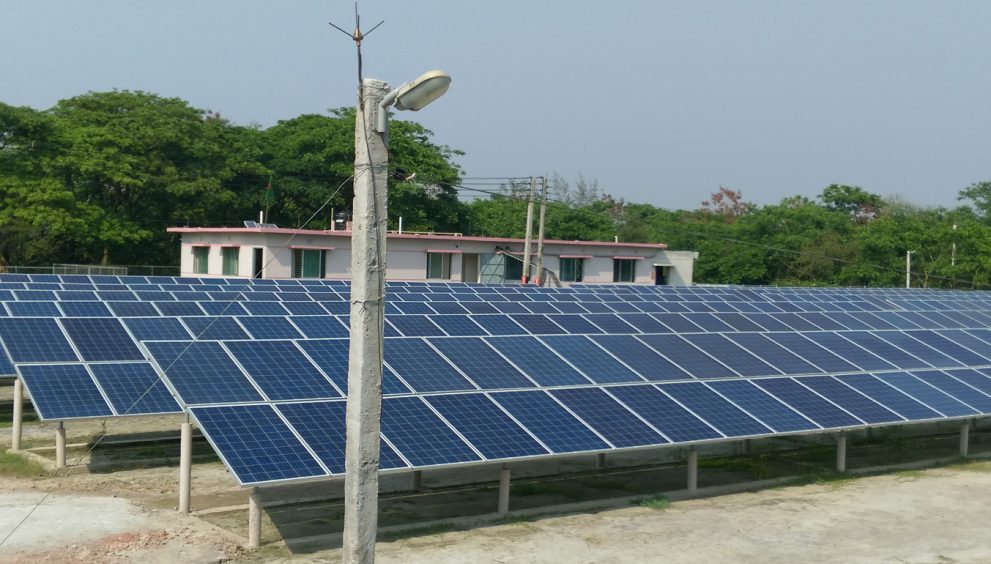
Utility-scale solar projects require large, contiguous land parcels, often difficult to secure without displacing farming communities or raising land costs significantly.
Government officials have suggested that unused land within economic zones could be allocated for solar projects, but coordination challenges between agencies and delays in approvals have slowed progress.
“Land is the single biggest barrier,” said a senior official at the power division. “We need innovative solutions like floating solar or rooftop expansion.”
Investor hesitation grows
Private sector participation, once expected to drive renewable growth, has also weakened. Several recent solar tenders have attracted limited bids, with some failing altogether.
Industry players cite concerns over tariff structures, delayed payments, and regulatory uncertainty.
“Investors need predictability,” said a renewable energy developer involved in past projects. “Frequent policy changes and delays discourage long-term commitments.”
Fossil fuels still dominate
Meanwhile, Bangladesh continues to rely heavily on fossil fuels, particularly natural gas and imported coal, to meet rising electricity demand.
Over the past decade, billions of dollars have been invested in coal and liquefied natural gas infrastructure, locking the country into long-term dependence on carbon-intensive energy sources.
The situation has been exacerbated by global fuel price volatility, which has strained foreign currency reserves and increased power generation costs.
Rooftop solar offers untapped potential
Experts say rooftop solar could offer a practical solution in urban areas where land is scarce. Factories, commercial buildings and residential complexes could collectively generate significant power if supported by favourable policies.
However, adoption remains slow due to high upfront costs, limited financing options and bureaucratic hurdles in grid connection approvals.
Urgent reforms needed
Energy analysts say Bangladesh must streamline project approvals, improve tariff incentives, and strengthen grid infrastructure to accelerate renewable deployment.
Failure to act quickly could not only derail climate commitments but also deepen the country’s energy security crisis.
“Renewables are no longer just about climate; they are about survival in a volatile energy market,” said the analyst.