
Santa Marta Summit
A high-level international summit opened Friday in Santa Marta, bringing together policymakers, scientists, activists, and development partners to confront escalating climate and biodiversity crises, with a strong emphasis on equity for vulnerable communities.
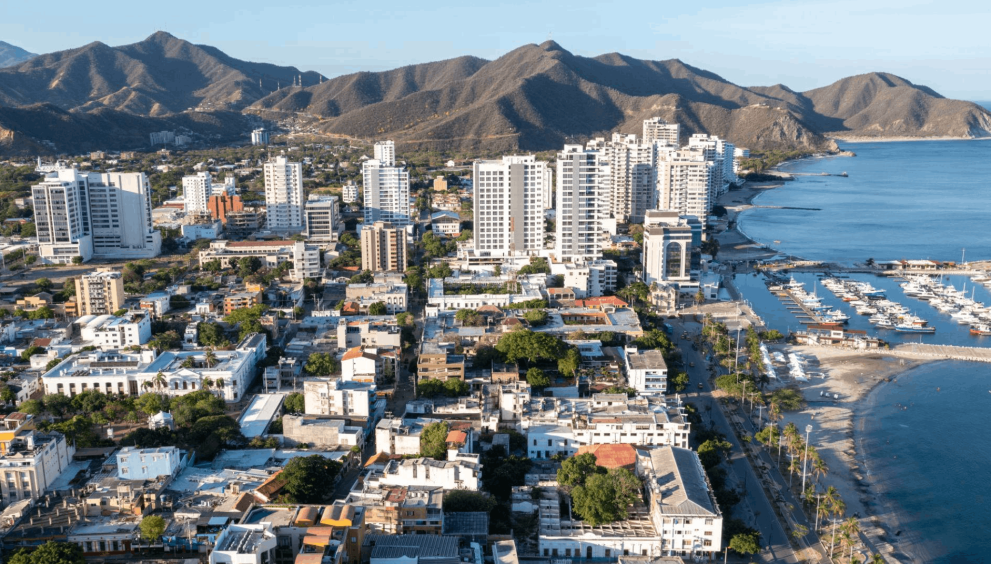
The gathering, hosted on Colombia’s Caribbean coast, is expected to run for several days and produce a joint roadmap aimed at accelerating climate action while safeguarding ecosystems and livelihoods across the Global South.
Organisers said the summit comes at a critical moment as countries struggle to translate global climate pledges into concrete, locally grounded action. Delegates are focusing on bridging gaps between finance, policy commitments and implementation, particularly in regions most exposed to climate impacts.
Global urgency, local realities
Opening the summit, host country officials underscored the urgency of coordinated action as extreme weather events, sea-level rise, and biodiversity loss intensify worldwide. They warned that without immediate intervention, many ecosystems, especially coastal and tropical zones, could face irreversible damage.
Participants highlighted how climate change is disproportionately affecting developing nations, despite their relatively low historical emissions. Speakers stressed that adaptation and resilience-building must be prioritised alongside emissions reduction.
“The climate crisis is no longer a distant threat; it is already reshaping economies, ecosystems and societies,” one keynote speaker said. “But solutions must be just, inclusive, and rooted in local realities.”
Focus on biodiversity and ecosystems
A central theme of the summit is the protection and restoration of biodiversity, with particular attention to forests, wetlands and marine ecosystems. Experts noted that biodiversity loss is accelerating due to deforestation, pollution and unsustainable development practices.
Sessions are examining nature-based solutions, including mangrove restoration, sustainable fisheries and forest conservation, as cost-effective ways to mitigate climate impacts while supporting livelihoods.
Delegates also raised concerns about large-scale infrastructure and industrial projects encroaching on ecologically sensitive areas, calling for stronger environmental safeguards and accountability mechanisms.
Climate finance and accountability
Climate finance emerged as a key issue, with developing countries reiterating calls for increased funding and easier access to international climate funds. Many participants said existing mechanisms remain overly complex and insufficient to meet growing needs.
Discussions are focusing on improving transparency, ensuring funds reach frontline communities, and aligning investments with long-term sustainability goals.
“There is a significant disconnect between global climate finance commitments and what actually reaches vulnerable populations,” a policy expert said. “Bridging that gap is essential.”
Voices from frontline communities
Civil society representatives and community leaders are playing a prominent role at the summit, sharing firsthand accounts of displacement, livelihood loss and environmental degradation.
Speakers from coastal and indigenous communities emphasised the importance of including local knowledge in climate solutions. They argued that top-down approaches often fail to address ground realities.
Migration linked to climate impacts also featured in discussions, with participants warning of increasing pressure on urban areas as people move in search of safety and economic opportunities.
Balancing development and sustainability
The summit is also addressing tensions between economic development and environmental protection. Delegates are debating how countries can pursue industrial growth without undermining ecosystems.
Several sessions are exploring sustainable development models that integrate clean energy, responsible land use and green infrastructure.
Experts stressed that long-term economic stability depends on protecting natural resources, rather than exploiting them.
Expected outcomes
The summit is expected to conclude with a joint declaration outlining priorities for climate action, biodiversity conservation and sustainable development.
Organisers said the document would aim to strengthen international cooperation, enhance accountability and promote inclusive policymaking.
While expectations remain cautious, participants expressed hope that the discussions in Colombia would contribute to more grounded and actionable climate strategies.
As negotiations continue, the challenge remains clear: turning commitments into measurable progress in a world already grappling with the visible consequences of climate change.